Sunday, April 17, 2016

Week of April 18th 2016

This week…

        This week we will continue our unit of study plants, this unit will last four more weeks. This unit, like all Pre-K for All units, provides opportunities for children to observe objects and phenomena in their environment with increasing complexity, and apply knowledge and skills learned in previous units. Activities throughout the unit prompt children to learn about plants through hands-on explorations and provide opportunities to observe plants in their immediate environment.
Throughout this unit, there are opportunities to develop children’s literacy and language skills. Children will enjoy literature, engage in discussions around stories, and retell and act out stories they have read. Children will build on what they know about plants through informational texts. They will explore new vocabulary words such as “habitat” and “nutrients” to continue to develop their language skills as they engage in scientific explorations and thinking.
I encourage you to find and observe plants with your child. You can talk about what the plants looks like, how they smells, the way they feel, their colors, etc. After observing the plants write or draw about it and send the activity you do with your child back to the class so your child can show it to the class and display it in the classroom.


Esta semana…
           Esta semana continuaremos nuestra unidad de estudio de las plantas, esta unidad tendrá una duración de cuatro semanas más. Esta unidad, al igual que todos los pre-K para todas las unidades, ofrece oportunidades para que los niños observan los objetos y fenómenos en su entorno con el aumento de la complejidad y aplican sus conocimientos y habilidades aprendidas en las unidades anteriores. Actividades a lo largo de los niños rápidos de la unidad para aprender acerca de las plantas a través de manos en exploraciones y proporcionan oportunidades para observar las plantas en su entorno inmediato.
A lo largo de esta unidad, hay oportunidades para desarrollar las habilidades de alfabetización de los niños y de lenguaje. Los niños disfrutarán de la literatura, participar en debates en torno a las historias, y volver a contar y representar historias que han leído. Los niños podrán construir sobre lo que saben acerca de las plantas a través de textos informativos. Se explorarán nuevas palabras de vocabulario como "hábitat" y "nutrientes" para continuar desarrollando sus habilidades lingüísticas que se dediquen a la exploración científica y el pensamiento.
Los animo a encontrar y observar las plantas con su hijo/a. Ustedes pueden hablar hacer de cosas tal cuales, como las plantas se ven, cómo huele, cómo se sienten, sus colores, etc. Después de observar las plantas pueden escribir o dibujar sobre lo qu enotaron y enviar la actividad que realiza con su hijo/a a la clase para que su hijo/a la mostre a la clase y despues ponerlas en la clase.


Image result for plant unit for prek                                     Image result for parts of a tree

At home you can…

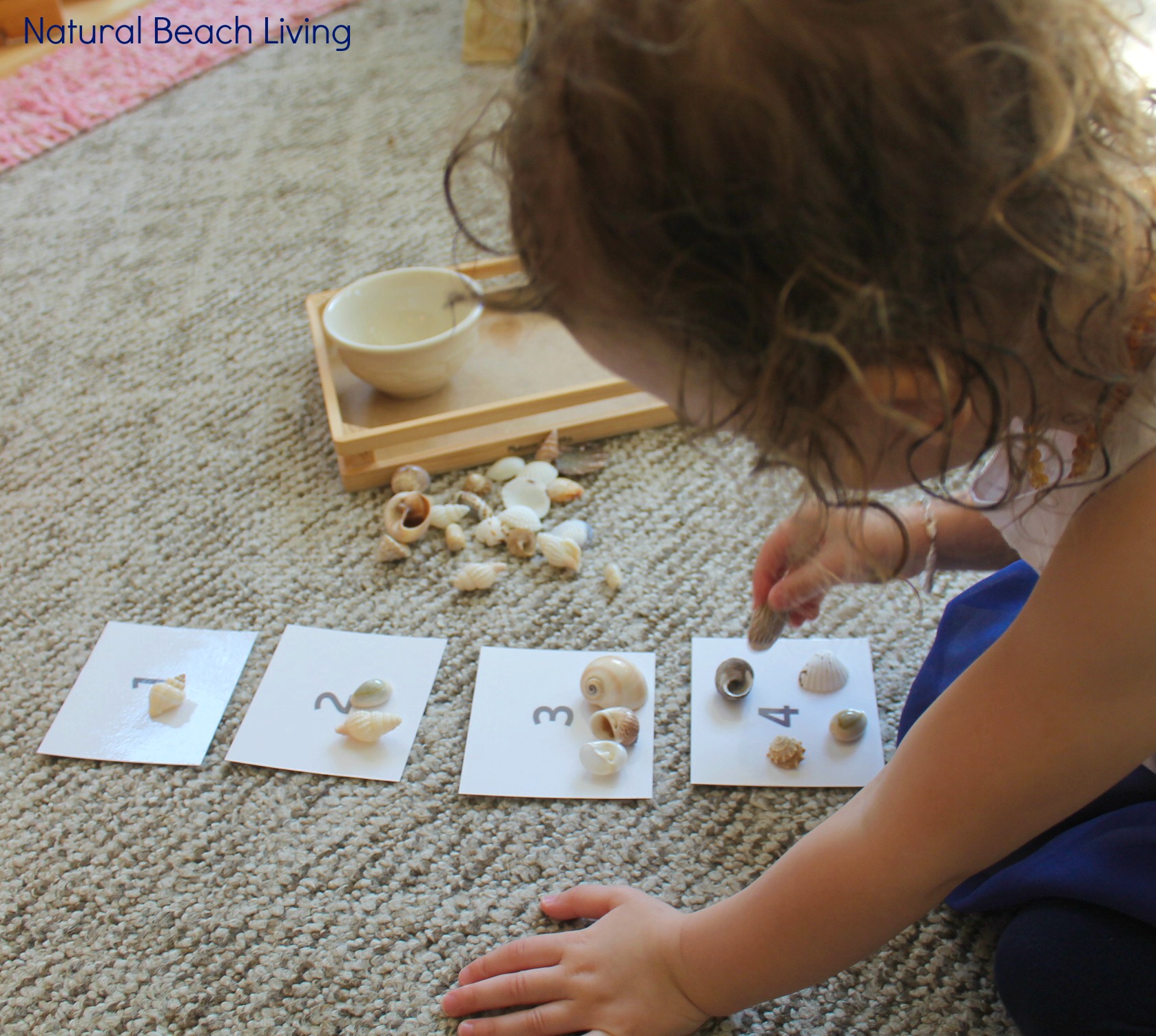
You can play any of these games to help your child with counting.


Collect a variety of materials your child can use for counting and learning about numbers such as old keys, plastic bottle caps, thread spools, and pictures from magazines all work well. If your child can already count past the number 20 and recognizes these numbers. You can also use materials from around the house to experiment with addition, subtraction and “more” and “less” activities. 

En casa usted puede ... 

Puede jugar en cualquiera de estos juegos para ayudar a su hijo con el conteo.


Se recoge una gran variedad de materiales que su hijo/a pueda usar para contar y aprender acerca de los números, tales como llaves viejas, tapas de botellas de plástico, bobinas de hilo, y fotos de revistas que todos trabajan bien. Si su hijo/a ya puede contar el pasado 20 y reconoce estos números. También puede utilizar los materiales alrededor de la casa para experimentar con las actividades  de"más" y "menos" y de sumar y restar.

Reminders:

  •       Please do not give your child any snacks with peanuts because we have a student with allergies.
  •        Please check your children's cubbies and ensure that he/she has 3 changes of clothes that are appropriate for the season. 
  •    Parent teacher conferences will be held from 1:00 PM - 7:00 PM on April 22nd. Dismissal for all students will be at 12:00 pm. The after-school program will be in session.
  • Wednesday, May 4th will be Star Wars day. Your child may come dressed up as any character in the movie.
  •        On Wednesday, May 11th we will be having our spring show at 9:00 am in the cafeteria.

Recordatorios: 

  •  Por favor, no darle a su hijo/a cualquier aperitivos con los cacahuetes porque tenemos un estudiante con alergias.
  •  Por favor miren en los cubbie de su hijo/a y asegurarse de que él / ella tiene 3 cambios de ropa que sea apropiada para la temporada.
  • Las conferencias de padres y maestros se llevarán a cabo de 1:00 pm - 7:00 PM el 22 de abril. Despido para todos los estudiantes de ese día será a las 12:00 horas. El programa después de clases estará en sesión.
  • El miércoles, 4 º de mayo será el día de Star Wars. Su hijo/a puede venir vestido como cualquier personaje de la película.  
  • El miércoles 11ª de mayo vamos a tener nuestro show de primavera a las 9:00 am en la cafetería.

Lesson plan for the week: 

Below is the link for this week's lesson plan for your review. Please feel free to review it so that you can reinforce what your child is learning in school at home.

Abajo esta el enlace para el plan de la lección de esta semana para su revisión. Por favor, siéntase libre de revisar de manera que se puede reforzar lo que su hijo/a está aprendiendo en la escuela en casa.

Tuesday, April 12, 2016

Week of April 11th 2016


This week…

   This week we will begin our new unit of study which is plants, this unit will last five weeks. This unit, like all Pre-K for All units, provides opportunities for children to observe objects and phenomena in their environment with increasing complexity, and apply knowledge and skills learned in previous units. Activities throughout the unit prompt children to learn about plants through hands-on explorations and provide opportunities to observe plants in their immediate environment.
Throughout this unit, there are opportunities to develop children’s literacy and language skills. Children will enjoy literature, engage in discussions around stories, and retell and act out stories they have read. Children will build on what they know about plants through informational texts. They will explore new vocabulary words such as “habitat” and “nutrients” to continue to develop their language skills as they engage in scientific explorations and thinking.
I encourage you to find and observe plants with your child. You can talk about what the plants looks like, how they smells, the way they feel, their colors, etc. After observing the plants write or draw about it and send the activity you do with your child back to the class so your child can show it to the class and display it in the classroom.


Esta semana…
     Esta semana vamos a comenzar nuestra nueva unidad de estudio, que son las plantas, esta unidad tendrá una duración de cinco semanas. Esta unidad, al igual que todos los pre-K para todas las unidades, ofrece oportunidades para que los niños observan los objetos y fenómenos en su entorno con el aumento de la complejidad y aplican sus conocimientos y habilidades aprendidas en las unidades anteriores. Actividades a lo largo de los niños rápidos de la unidad para aprender acerca de las plantas a través de manos en exploraciones y proporcionan oportunidades para observar las plantas en su entorno inmediato.
A lo largo de esta unidad, hay oportunidades para desarrollar las habilidades de alfabetización de los niños y de lenguaje. Los niños disfrutarán de la literatura, participar en debates en torno a las historias, y volver a contar y representar historias que han leído. Los niños podrán construir sobre lo que saben acerca de las plantas a través de textos informativos. Se explorarán nuevas palabras de vocabulario como "hábitat" y "nutrientes" para continuar desarrollando sus habilidades lingüísticas que se dediquen a la exploración científica y el pensamiento.
Los animo a encontrar y observar las plantas con su hijo/a. Ustedes pueden hablar hacer de cosas tal cuales, como las plantas se ven, cómo huele, cómo se sienten, sus colores, etc. Después de observar las plantas pueden escribir o dibujar sobre lo qu enotaron y enviar la actividad que realiza con su hijo/a a la clase para que su hijo/a la mostre a la clase y despues ponerlas en la clase.


At home you can…


Play games with your child in which you give them directions such as jump forward ten times or hop back five times, etc. You can also use songs with corresponding movement to teach concepts such as out, in down, up, next to, behind, etc.

En casa usted puede ... 


Jugar con su hijo/a, juegos que se les da instrucciones tales como saltar hacia adelante diez veces o salto hacia atrás cinco veces, etc. También puede utilizar canciones con movimiento correspondiente para enseñar conceptos como fuera, arriba, abajo, al lado, detrás, etc.

Reminders:

  •       Please do not give your child any snacks with peanuts because we have a student with allergies.
  •        Please check your children's cubbies and ensure that he/she has 3 changes of clothes that are appropriate for the season. 
  •    Parent teacher conferences will be held from 1:00 PM - 7:00 PM on April 22ndDismissal for all students on that day will be at 12:00 noon. The After School Program will be in session. 

Recordatorios: 

  •  Por favor, no darle a su hijo/a cualquier aperitivos con los cacahuetes porque tenemos un estudiante con alergias.
  •  Por favor miren en los cubbie de su hijo/a y asegurarse de que él / ella tiene 3 cambios de ropa que sea apropiada para la temporada.

  •  Las conferencias de padres y maestros se llevarán a cabo de 1:00 pm - 7:00 PM el 22 de abril. Despido para todos los estudiantes de ese día será a las 12:00 horas. El programa después de clases estará en sesión

Lesson plan for the week: 

Below is the link for this week's lesson plan for your review. Please feel free to review it so that you can reinforce what your child is learning in school at home.

Abajo esta el enlace para el plan de la lección de esta semana para su revisión. Por favor, siéntase libre de revisar de manera que se puede reforzar lo que su hijo/a está aprendiendo en la escuela en casa.

Sunday, April 3, 2016

Week of April 4th

I hope you and your family had a wonderful Easter break! 

This week…

   This week we will begin our new unit of study which is plants, this unit will last five weeks. This unit, like all Pre-K for All units, provides opportunities for children to observe objects and phenomena in their environment with increasing complexity, and apply knowledge and skills learned in previous units. Activities throughout the unit prompt children to learn about plants through hands-on explorations and provide opportunities to observe plants in their immediate environment.
Throughout this unit, there are opportunities to develop children’s literacy and language skills. Children will enjoy literature, engage in discussions around stories, and retell and act out stories they have read. Children will build on what they know about plants through informational texts. They will explore new vocabulary words such as “habitat” and “nutrients” to continue to develop their language skills as they engage in scientific explorations and thinking.


Esta semana…
     Esta semana vamos a comenzar nuestra nueva unidad de estudio, que son las plantas, esta unidad tendrá una duración de cinco semanas. Esta unidad, al igual que todos los pre-K para todas las unidades, ofrece oportunidades para que los niños observan los objetos y fenómenos en su entorno con el aumento de la complejidad y aplican sus conocimientos y habilidades aprendidas en las unidades anteriores. Actividades a lo largo de los niños rápidos de la unidad para aprender acerca de las plantas a través de manos en exploraciones y proporcionan oportunidades para observar las plantas en su entorno inmediato.
A lo largo de esta unidad, hay oportunidades para desarrollar las habilidades de alfabetización de los niños y de lenguaje. Los niños disfrutarán de la literatura, participar en debates en torno a las historias, y volver a contar y representar historias que han leído. Los niños podrán construir sobre lo que saben acerca de las plantas a través de textos informativos. Se explorarán nuevas palabras de vocabulario como "hábitat" y "nutrientes" para continuar desarrollando sus habilidades lingüísticas que se dediquen a la exploración científica y el pensamiento.


Image result for plants study

At home you can…


I encourage you to find and observe plants with your child. You can talk about what the plants looks like, how they smells, the way they feel, their colors, etc. After observing the plants write or draw about it and send the activity you do with your child back to the class so your child can show it to the class and display it in the classroom.

En casa usted puede ... 

Los animo a encontrar y observar las plantas con su hijo/a. Ustedes pueden hablar hacer de cosas tal cuales, como las plantas se ven, cómo huele, cómo se sienten, sus colores, etc. Después de observar las plantas pueden escribir o dibujar sobre lo qu enotaron y enviar la actividad que realiza con su hijo/a a la clase para que su hijo/a la mostre a la clase y despues ponerlas en la clase.

Reminders:

  •       Please do not give your child any snacks with peanuts because we have a student with allergies.
  •        Please check your children's cubbies and ensure that he/she has 3 changes of clothes that are appropriate for the season. 

Recordatorios: 

  •  Por favor, no darle a su hijo/a cualquier aperitivos con los cacahuetes porque tenemos un estudiante con alergias.
  •  Por favor miren en los cubbie de su hijo/a y asegurarse de que él / ella tiene 3 cambios de ropa que sea apropiada para la temporada.

Lesson plan for the week: 

Below is the link for this week's lesson plan for your review. Please feel free to review it so that you can reinforce what your child is learning in school at home.

Abajo esta el enlace para el plan de la lección de esta semana para su revisión. Por favor, siéntase libre de revisar de manera que se puede reforzar lo que su hijo/a está aprendiendo en la escuela en casa.

Monday, March 14, 2016

Pre-K 5 Week of March 14th 2016

This week…

    Over the next week, students will continue to learn about buildings. Young children are curious about buildings and given the fact that buildings are everywhere in our community this unit connects to their everyday life experiences.. In this unit the children will explore and expand their knowledge and understanding of building materials and physical forces. They will work together to find the answers to our theme questions; which include: What do buildings in our neighborhood and other places look like? Who builds buildings? What are buildings made of? What tools are used to make buildings? What makes buildings strong? What happens inside buildings? 


     As we learned about this topic the children will be given opportunities to investigate buildings from many different perspectives, for example they explored important concepts of physical science and social studies as they observe, gather data, explored the topic. They practiced math concepts such as sorting by color and size, comparing heights of different buildings, and learned number concepts as we count the buildings on our block. 


Esta semana…
     Durante las siguiente semana, los estudiantes continuarán aprendiendo acerca de los edificios. Los niños pequeños son curiosos sobre los edificios y dado el hecho de que los edificios están por todas partes en nuestra comunidad esta unidad se conecta a sus experiencias de la vida cotidiana .En esta unidad los niños van a explorar y expandir su conocimiento y comprensión de los materiales de construcción y las fuerzas físicas. Van a trabajar juntos para encontrar las respuestas a nuestras preguntas temáticos; los cuales incluyen: ¿Qué edificios en nuestro barrio y otros lugares se parecen? ¿Quién construye edificios? De que están hechas de edificios? ¿Qué herramientas se utilizan para hacer los edificios? Que hace que los edificios fuerte? ¿Qué ocurre dentro de los edificios?
     
    Mientras aprendemos acerca de este tema los niños tendrán la oportunidad de investigar los edificios desde muchos puntos de vista diferentes, por ejemplo exploraron conceptos importantes de la ciencia física y estudios sociales al observar, recopilar datos, explorado el tema. Practicaban los conceptos matemáticos, como la clasificación por color y tamaño, comparando las alturas de los diferentes edificios, y aprendieron los conceptos numéricos mientras contamos los edificios de la cuadra.


At home you can…

Playing games allows your child to learn, practice and reinforce many useful skills such as following directions, taking turns, and making predictions. Try this new twist to the traditional memory game to help your child match number symbols to the correct quantity while sharpening her memory skills!
1.        You and your child can work together to make the game cards. First make the ten numeral cards. Using markers, write the numerals from 1 – 10 on each card.
2.        Next, have your child help make the ten quantity cards. You can use small stickers or draw pictures to show the quantities. For example, place 5 stickers on an index card. This is the quantity card to match the numeral card for the number 5.
3.        Once all of the game cards have been made it’s time to begin playing Number Memory! Mix up the cards thoroughly. Lay the cards on the floor or on a tabletop in rows. Make 4 rows with 5 cards in each row.
4.        Have your child turn over two cards. If the cards are a match (a card with the numeral 3 written on it and a card with a picture of 3 objects), she has a match and can keep the pair. If the cards are not a match, both cards must be turned over and returned to their original positions. Then the next player takes a turn.
5.        Keep playing until all of the matches have been found.

En casa usted puede ... 

 Jugar juegos permite a su hijo/a a aprender, practicar y reforzar las muchas habilidades útiles, tales como seguir instrucciones, tomar turnos, y hacer predicciones. Prueba esta nueva vuelta de tuerca al tradicional juego de memoria para ayudar a su hijo/a símbolos numéricos partido a la cantidad correcta al tiempo que perfeccionan sus habilidades de memoria!

1. Usted y su hijo/a pueden trabajar juntos para hacer las tarjetas de juego. En primer lugar hacer las diez tarjetas numéricas. El uso de marcadores, los numerales de 1 - 10 en cada tarjeta.2. A continuación, haga que su hijo/a le ayude a hacer las diez tarjetas de cantidad. Puede utilizar pequeñas pegatinas o hacer dibujos para mostrar las cantidades. Por ejemplo, coloque 5 pegatinas en una tarjeta. Esta es la tarjeta cantidad para que coincida con la tarjeta numeral para el número 5.3. Una vez que todas las cartas del juego han hecho que sea el momento de empezar a jugar de memoria Número! Mezcle las tarjetas a fondo. Coloque las tarjetas en el suelo o sobre una mesa en filas. Hacer 4 filas con 5 cartas en cada fila.4. Pídale que pase más de dos tarjetas. Si las cartas son un partido (una tarjeta con el número de referencia 3 escrito en él y una tarjeta con una imagen de 3 objetos), que tiene un partido y puede mantener el par. Si las tarjetas no son una coincidencia, ambas tarjetas deben ser entregados y devueltos a sus posiciones originales. A continuación, el siguiente jugador toma un giro.5. Sigue jugando hasta que todos los partidos han sido encontrados.

Reminders:

  •       Please do not give your child any snacks with peanuts because we have a student with allergies.
  •        There is no afterschool on Friday, March 18th
  •        On Saint Patrick Day (Thursday) Students may wear green clothes and not need to wear their uniform. 
  •        Easter Recess March 21st - April 1st; school resumes April 4th.

Recordatorios: 

  •  Por favor, no darle a su hijo/a cualquier aperitivos con los cacahuetes porque tenemos un estudiante con alergias.
  • Por favor, devuelva la encuesta, por lo que podemos enviarlos por correo.
  • El dia de San Patricio los estudiantes no tiene que usar uniforme si viene vestido con algo verde.
  •  No habrá programa después de la escuela el viernes, 18 de marzo.
  •   Receso de Pascua  es el 21 de marzo hasta el 1 de abril. Las clases enpesaran el 4 de abril.

Lesson plan for the week: 

Below is the link for this week's lesson plan for your review. Please feel free to review it so that you can reinforce what your child is learning in school at home.

Abajo esta el enlace para el plan de la lección de esta semana para su revisión. Por favor, siéntase libre de revisar de manera que se puede reforzar lo que su hijo/a está aprendiendo en la escuela en casa.

Saturday, March 5, 2016

Week of March 7th 2016

This week…

    Over the next two weeks, students will continue to learn about buildings. Young children are curious about buildings and given the fact that buildings are everywhere in our community this unit connects to their everyday life experiences.. In this unit the children will explore and expand their knowledge and understanding of building materials and physical forces. They will work together to find the answers to our theme questions; which include: What do buildings in our neighborhood and other places look like? Who builds buildings? What are buildings made of? What tools are used to make buildings? What makes buildings strong? What happens inside buildings? 

     As we learned about this topic the children will be given opportunities to investigate buildings from many different perspectives, for example they explored important concepts of physical science and social studies as they observe, gather data, explored the topic. They practiced math concepts such as sorting by color and size, comparing heights of different buildings, and learned number concepts as we count the buildings on our block. 


Esta semana…
     Durante las siguientes dos semanas, los estudiantes continuarán aprendiendo acerca de los edificios. Los niños pequeños son curiosos sobre los edificios y dado el hecho de que los edificios están por todas partes en nuestra comunidad esta unidad se conecta a sus experiencias de la vida cotidiana .En esta unidad los niños van a explorar y expandir su conocimiento y comprensión de los materiales de construcción y las fuerzas físicas. Van a trabajar juntos para encontrar las respuestas a nuestras preguntas temáticos; los cuales incluyen: ¿Qué edificios en nuestro barrio y otros lugares se parecen? ¿Quién construye edificios? De que están hechas de edificios? ¿Qué herramientas se utilizan para hacer los edificios? Que hace que los edificios fuerte? ¿Qué ocurre dentro de los edificios?
     
    Mientras aprendemos acerca de este tema los niños tendrán la oportunidad de investigar los edificios desde muchos puntos de vista diferentes, por ejemplo exploraron conceptos importantes de la ciencia física y estudios sociales al observar, recopilar datos, explorado el tema. Practicaban los conceptos matemáticos, como la clasificación por color y tamaño, comparando las alturas de los diferentes edificios, y aprendieron los conceptos numéricos mientras contamos los edificios de la cuadra.


At home you can…

Number Match-up
Materials
·                      Index cards
·                      Pen or marker
·                      Old magazines (optional)
·                      Scissors (optional)
·                      Glue (optional)

Directions
1.  Make up two sets of index cards. On one set write numbers from 1 to 10, or higher. On the other set, draw (or cut out from magazines) pictures of objects that correspond to the numbers of the first set.


2.  Lay all the cards on the table, face up, and have your child match each numbered card to the card with the corresponding number of objects.

En casa usted puede ... 

Emparejar números
Materiales
• Tarjetas de indice
• pluma o marcador
• Revistas viejas (opcional)
• Tijeras (opcional)
• pegamento (opcional)

Direcciones
1. Complete dos sets de tarjetas de indice, en un conjunto escribir los números del 1 al 10, o superior. En el otro conjunto, dibujar (o cortar de una revistas) imágenes de objetos que corresponden a los números de la primera serie.


2. Coloque todas las cartas sobre la mesa, boca arriba, pidale a su hijo/a que empareje cada tarjeta numerada de la tarjeta con el número correspondiente de objetos.

Reminders:

  •      Please do not give your child any snacks with peanuts because we have a student with allergies.
  •      Please return the survey, so that we can mail them out.
  • Easter Recess March 21st - April 1st School Resumes April 4th.

Recordatorios: 

  •    Por favor, no darle a su hijo/a cualquier aperitivos con los cacahuetes porque tenemos un estudiante con alergias.
  • Por favor, devuelva la encuesta, por lo que podemos enviarlos por correo.
  •  Receso de Pascua  es el 21 demarzo hasta el 1 de abril. Las clases enpesaran el 4 de abril.  

Lesson plan for the week: 

Below is the link for this week's lesson plan for your review. Please feel free to review it so that you can reinforce what your child is learning in school at home.

Abajo esta el enlace para el plan de la lección de esta semana para su revisión. Por favor, siéntase libre de revisar de manera que se puede reforzar lo que su hijo/a está aprendiendo en la escuela en casaLesson plan for the week